

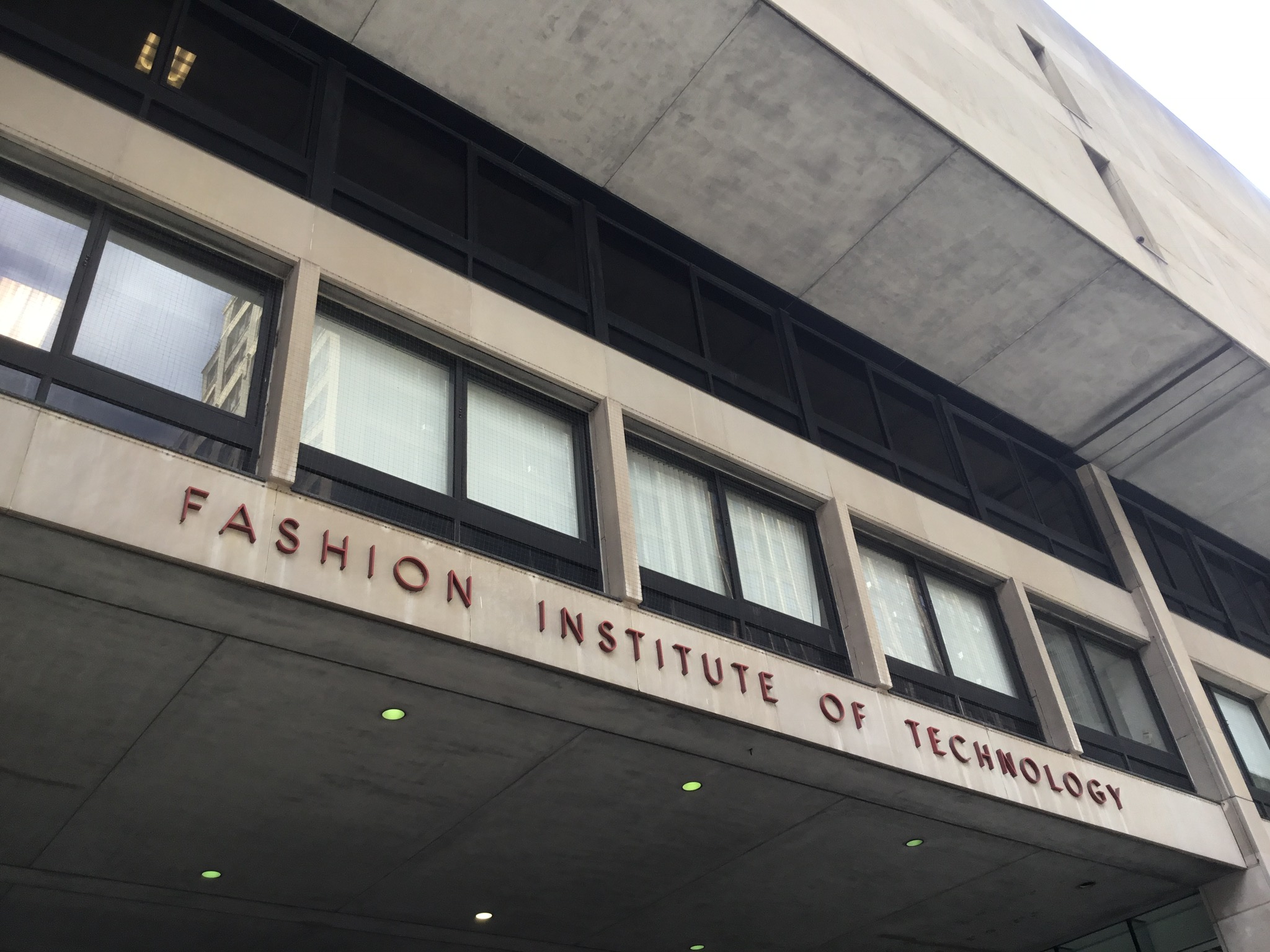
After a student’s death at FIT and renewed allegations of sexual violence at Cornell, colleges face a pressing question: Are they doing enough to protect the students who trust them?
By Samuel Chau and Valcyera Assad
On March 18, 2026, Annabel Richter, a recent transfer student, was raped on the Fashion Institute of Technology Campus in a dormitory, following the consumption of what she and her friend thought was cocaine, but turned out to be fentanyl.
Annabel and her friend went unconscious. Annabel was eventually raped by the supspect Moises Freire, a 19 year old resident of the Bronx, charged with participating in a fentanyl distribution conspiracy and distributing a deadly drug with intent to commit rape. Annabel Richter never woke up from the fentanyl overdose. Her friend did.
Another suspect charged in the case is Brian Peralta Cabrera, an 18 year old resident from Queens, charged with drug conspiracy. Both Cabrera and Freire pleaded not guilty in March.
The final suspect, Harry Rosales Pino, pleaded guilty in September to conspiracy to distribute narcotics resulting in death and bodily injury.
This incident occurred in March, but prosecutors only released the information of the incident in October. THe F.I.T’s President Jason Schupbach and his office came out with a statement on October 16, stating “Our FIT safety protocols are strong because of the policies and resources in place. We have 24/7 security monitoring and presence in all campus buildings; our strict Visitor Policy that controls access to our residence halls and tracks any non-FIT individual that is on campus; our emergency call boxes are strategically located both internally and externally on campus….After this incident we continue to review our policies. Public safety supervisors on campus are now required to carry portable Narcan at all times as part of their uniform. This protocol is in addition to the Narcan kits stationed in the lobbies of each of the residence halls along with the defibrillator units. We continue to provide education and programming to our community on healthy relationships, and awareness campaigns on misconduct, and sexual health.”
Yes, the information sounds promising, yet it leaves young adults with the feeling of fear that this can happen to them at any time. There used to be a time where all that mattered was accomplishing the “American Dream,” going to school, graduating college, then going to find a job of your dreams. That however, has changed, with incidents like this happening at the Fashion Institute of Technology and Cornell University.
One of the bigger factors goes beyond the actual events of the incidents, its how long the incident was “kept in house” rather than released to the public. As mentioned, the FIT incident happened in March yet the information was not released to the public in October. That is about a six month gap. It also happened in the Cornell University case, when the rape incident happened in October 2024 and was finally released to the public two years later in September 2026.
Overall, the question becomes, how are students supposed to feel safe and free after these incidents have occurred?
The reality is that students should not have to question whether their safety is a priority at an institution they pay thousands of dollars to attend. College is supposed to be a place of opportunity, independence and personal growth. For many students, it is their first experience living away from home, making decisions for themselves and learning to navigate adulthood. Yet, how can students fully embrace that independence when the very places meant to provide them with security become places of fear?
What makes these incidents particularly troubling is not only the allegations themselves but also the questions surrounding institutional transparency. There is a difference between protecting an investigation and withholding information that could help students make informed decisions about their safety. Although certain details must remain confidential to protect victims and preserve legal proceedings, students should not be left wondering what their institutions knew, when they knew it and what measures were taken in response.
We recognize that no university can guarantee that a crime will never occur on its campus. However, institutions can control how they respond, communicate and support their students afterward. Security cameras, emergency call boxes and campus safety officers are important, but they cannot be the only measures of a safe campus.
Students also need to know that when something happens, their concerns will be acknowledged rather than overshadowed by an institution’s desire to protect its reputation. After all, what good are safety policies if the students they are meant to protect do not feel safe?
There is also a larger conversation to be had about how we educate college students on consent, sexual violence and substance use. Prevention cannot begin and end with an orientation presentation or an annual email reminding students of campus policies. These conversations need to be continuous, accessible and taken seriously by both students and administrators.
Colleges should make students aware of available counseling services, confidential reporting options, emergency resources and ways to seek help without fear of judgment.
At FIT, campus security administered Narcan and provided emergency assistance when alerted to the incident. The institution has also announced additional safety measures. Those actions deserve acknowledgment. However, an effective emergency response and meaningful institutional accountability are not mutually exclusive. Both are necessary.
The Cornell case raises similar questions about the relationship between students and university leadership. Although Cornell publicly acknowledged allegations of sexual violence in November 2024 and conducted an internal investigation, the civil lawsuit filed in September 2026 brought renewed scrutiny to the university’s handling of those allegations.
Cornell has stated that disciplinary sanctions, including suspensions and expulsions, resulted from its investigation, and that federal privacy laws limit what it can disclose about individual students.
This distinction matters because transparency is not simply about whether an institution releases a statement. It is also about whether students receive meaningful information, whether their concerns are addressed and whether promises of reform result in measurable changes.
Under the federal Clery Act, colleges are required to issue timely warnings about certain reported crimes that present serious or continuing threats to the campus community. But meeting the minimum legal requirements should not be the only standard by which institutions measure their responsibility to students.
As college students ourselves, we understand the pressure to remain focused on graduating, pursuing careers and building successful futures. We understand the sacrifices that come with earning a degree, whether financial, emotional or personal. But we should not have to choose between our education and our peace of mind.
Parents send their children to college trusting that they will receive an education, but also hoping they will return home safely. Students deserve that same reassurance.
And perhaps that is what makes these incidents so unsettling. They remind us that behind every headline is a student who once had assignments to complete, classes to attend and a future they were working toward.
These are not simply cases to be discussed for a few weeks before the public moves on to the next headline. They involve real lives, families and communities left to grapple with devastating circumstances.
Ultimately, we believe colleges must be held accountable not only for the policies they establish but also for how effectively those policies protect the communities they serve. Administrators should be willing to answer difficult questions, involve students in discussions about campus safety and communicate clearly about the steps being taken to prevent future tragedies.
The issue is not whether universities can eliminate every possible danger. They cannot. The issue is whether they are doing everything reasonably within their power to create an environment where students feel informed, protected and heard.
Because a college’s reputation should not be measured solely by its academic achievements, graduation rates or the success of its alumni. It should also be measured by how it treats the students who entrust it with their education, their well-being and, in many cases, their safety.
At the end of the day, students should be concerned about passing their classes, not whether they will make it home alive.

