

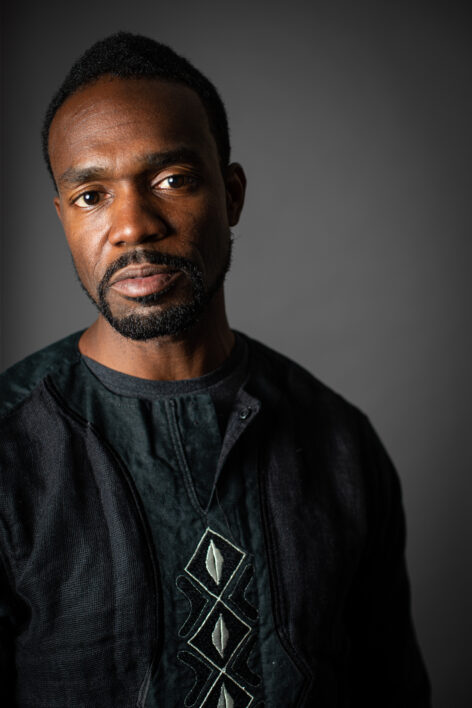
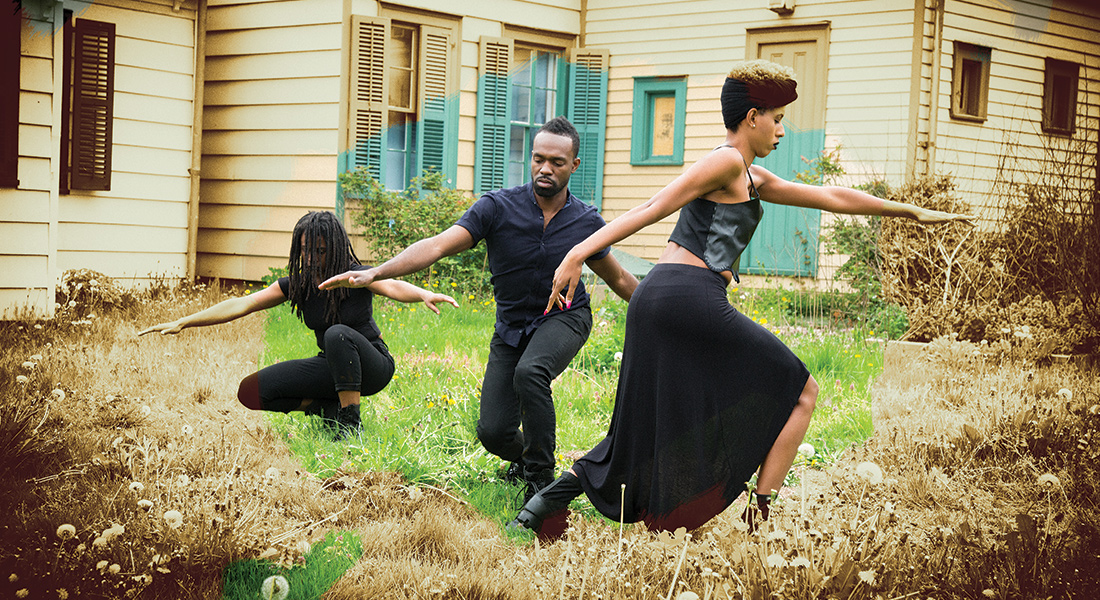
Photos by Andre Zachery
By Rashidah B Fowler
In 2018 Marvel Studios’ “Black Panther” hit theaters and dominated. Transporting viewers to Wakanda, a fictional African nation with hyper-advanced technology and untouched by colonization, it catapulted the genre of “Afrofuturism” into mainstream media. Since then, the genre has provided us with shows like “Lovecraft Country,” books like “Children of Blood and Bone,” and music from artists as colossal as Beyonce.
The term Afrofuturism was created in 1993 by cultural critic Mark Dery in his essay “Black to the Future.” In it he defines Afrofuturism as the combination of African-American themes with technology to redesign and reimagine an enhanced, liberated future of African-American identity and experiences. It is one of many terms related to the creative liberation among people of the African diaspora birthing many subcultural parallels. Each genre and subgenre are a means of escape, while also serving as commentary on social issues, mirroring the complexities of race, history and identity across the African diaspora and providing inspiration for other minority groups.
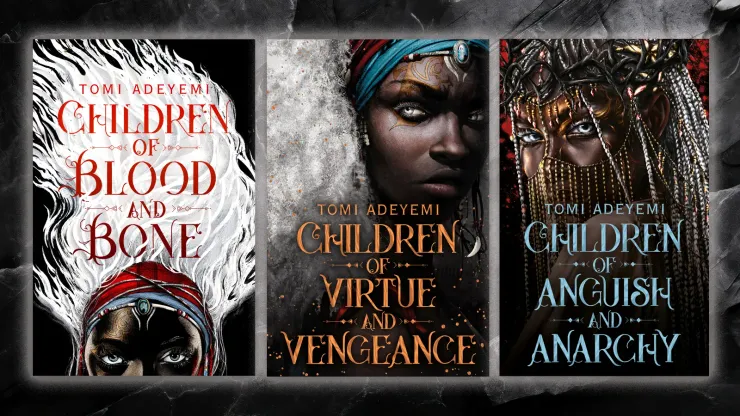
Tomi Adeyemi a Nigerian American best known for her Afrofuturist fantasy trilogy.
Arvind Shiwcharran, 19, a Computer Science major at CUNY York College and independent film producer remembers the sense of unity that followed the release of “Black Panther” and the sense of loss two years later after the premature death of its lead actor Chadwick Boseman.
“People liked to share the Wakanda forever gesture together as a semblance of unity within Black culture,” said Shiwcharran.
His friend and creative collaborator, Sam Hall, 18, a Mathematics major at York College agreed and added that it is also about messaging. “The message doesn’t have to be big, but it has to be clear, cohesive, right?” Hall remarked. “Make sense to people, right?”
While “Black Panther” may be what catapulted Afrofuturism to modern mainstream media, it is not the first example of the genre on film. In 1974 Sun Ra, a jazz pianist and composer, released his film “Space Is the Place.” The film follows him as he is transported to another planet in hopes of relocating the African-American race. The accompanying soundtrack is Sun Ra’s most famous album. Carnegie Hall’s online article “Afrofuturism in Black Music” provides a timeline of this genre and names Sun Ra as a pioneer in electronic music. Present day explorations of Afrofuturism in music can be seen in artists like FKA Twigs and Janelle Monet. The latter, like Sun Ra, released the album “Dirty Computer” with an accompanying film that spoke to the liberation of Black people in 2018. The intersection of film and music is one of many ways the genre has been and can be explored.
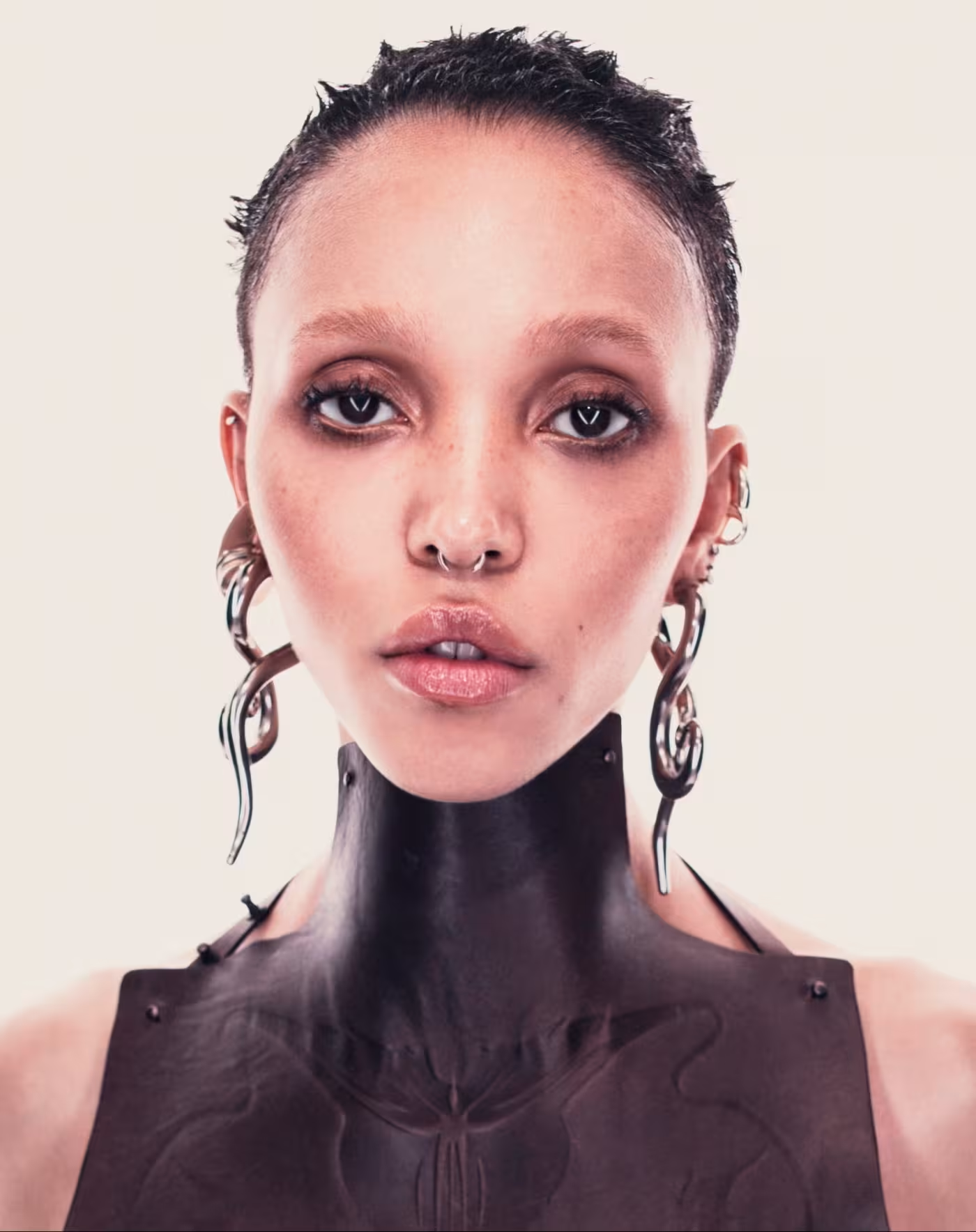
FKA Twigs
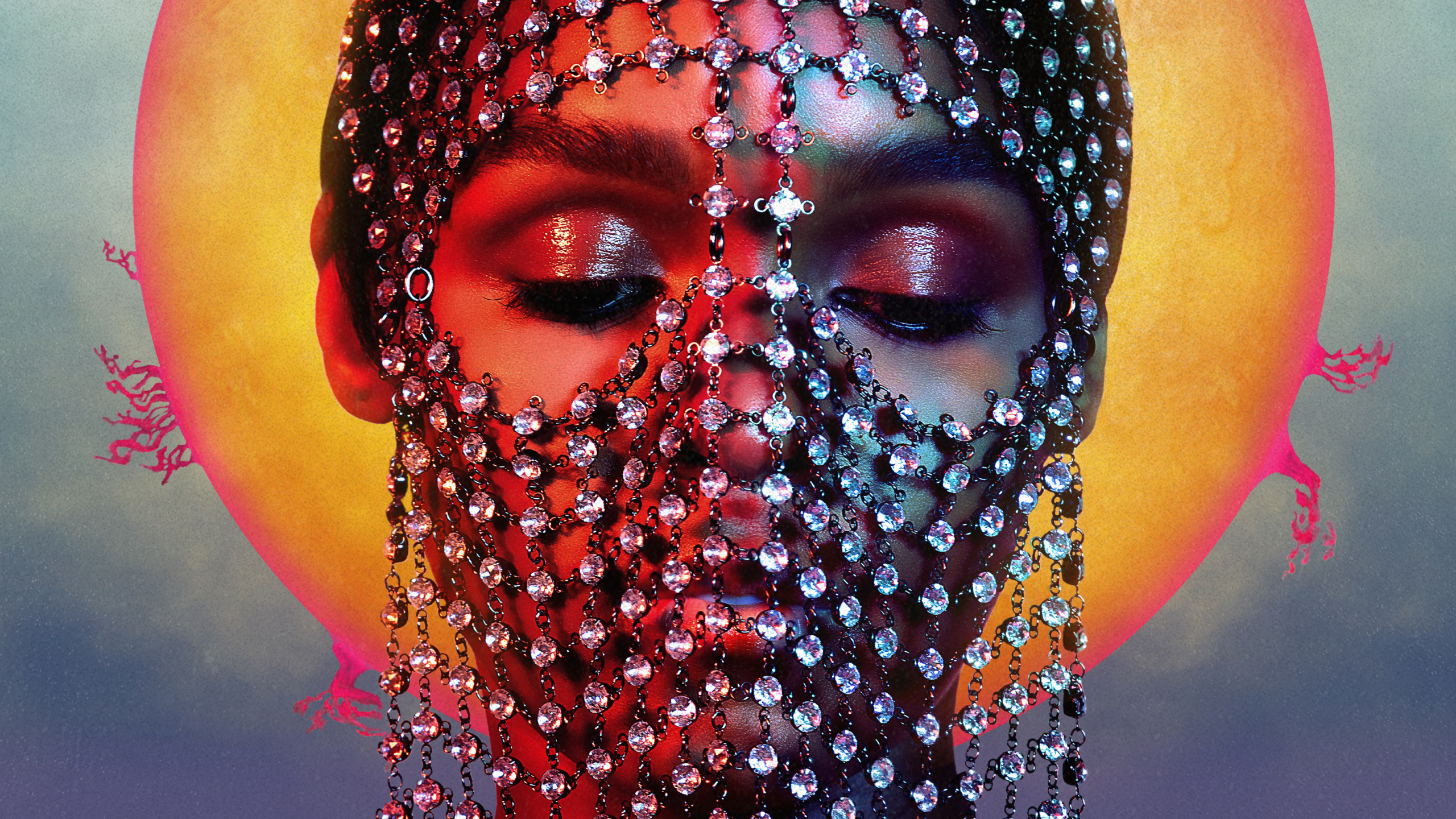
Janelle Monet
Zachery is the creative director of Renegade Performance Group, which launched The Afrofuturism Series in 2014, an ongoing project exploring and reimagining Blackness within the broader context of African culture. Inspired by science-fiction author Samuel Delaney’s text “The Necessities of Tomorrow,” which emphasizes the necessity for ‘our people’ to have visuals of themselves in a better tomorrow, the group uses multiple disciplines alongside collaborators. Projects of the series include “Digital Middle Passage” and “Drexciya Redux: An Afrofuturist Cabaret.”
With Afrofuturism more prevalent in pop culture, the question now is whether or not its presence is in danger of being commercialized, according to Nilé Livingston, a visual artist with a focus on sculpture and mural painting, who wrote about the issue on her website’s blog. Although “Black Panther” was a wonderful introduction to the genre for some, it is also the brainchild of non-black people and their view of the experience of Blackness. She goes on to state that this project, and others like it that lack the presence of Black people in the storytelling process are an undermining force and a distraction of real narratives and real histories. She even goes as far as stating that Afrofuturism is a tool for survival.
Zachery expresses a similar sentiment saying, “The power of the Black imagination is a tool that has continued to help and support humanity.” Though Afrofuturism is specific to the liberation of the entirety of the Black diaspora, our liberation is the liberation of others. He hopes for the younger generation, that they do not forget the work that so many people put in before them because “nothing is disconnected.”
Hall, whose first foray into Afrofuturism was through the 1998 movie “Blade” starring Wesley Snipes said the genre is all about messaging. So, exactly what is the messaging behind Black Panther? Hall says it is about preserving culture. “We see how generation after generation the new Black Panther is chosen, right? And we see how that impacts, right? I think if we can get that message out, if we can say ‘let’s preserve this culture’ and at the same time let’s just make it better. I think we can get a point across.”
Dr. Emily Verla Bovino, Assistant Professor and Coordinator of the Art History Program at York College, has curated York College’s CUNY Dance Initiative Residency this year with the Jamaica Center for Arts and Learning (JCAL), and will be hosting André M. Zachery, for a workshop at York and rehearsals at JCAL. The workshop at York is on October 25 from 2 p.m. to 4:50 p.m. It will take place within an exhibition at the York College Art Gallery that will run through November.

